Water Damage Restoration in Connecticut | 24/7 Flood Cleanup
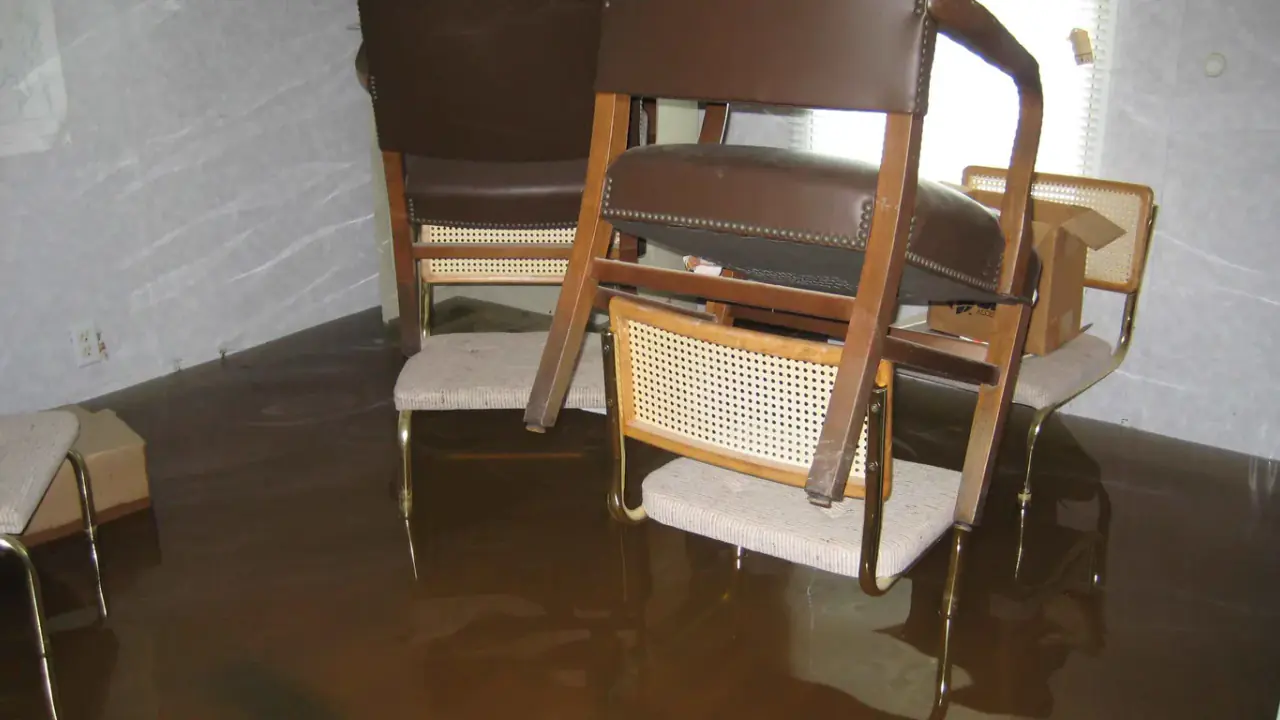
Sudden pipe bursts, river flooding, and sewer backflows threaten building framing across Connecticut. Emergency water restoration specialists deploy submersible pumps, LGR dehumidifiers, and thermal imaging cameras statewide to extract standing water and dry structural assemblies.
Rapid Water Damage Restoration & Flood Cleanup in Connecticut
Unchecked moisture trapped inside dark crawl spaces and insulated wall cavities in Connecticut creates an aggressive breeding ground for fungal colonies within twenty-four to forty-eight hours of moisture intrusion. Saturated fiberglass batts lose all insulation value, hanging heavily from wet floor joists while trapping persistent moisture against structural subflooring and rim joists. Mold spores thrive on damp paper facings and cellulose framing timbers.
Evaporating crawl space moisture naturally rises into living quarters through the architectural stack effect, driving up indoor relative humidity, creating persistent musty smells, and triggering respiratory irritation for sensitive occupants. Long-term subfloor dampness rots structural joist hangers, weakens primary load-bearing supports, and attracts wood-boring insects into foundation framing. Addressing subterranean humidity is critical for whole-home preservation.
Experienced field teams across Connecticut conduct comprehensive moisture surveys using non-destructive dielectric sensors, thermal hygrometers, and infrared imaging. Crews strip saturated insulation, sanitize raw framing sills with broad-spectrum antimicrobials, and establish heavy-duty dehumidification setups that ensure structural members dry safely to documented equilibrium standards.
Statewide Water Damage Restoration & Flood Cleanup Services in Connecticut
Emergency Water Damage Restoration: Immediate 24/7 water extraction, active plumbing leak containment, thermal moisture mapping, and structural drying stabilization for residential and commercial flooding emergencies.
Flood Clean Up & Water Extraction: Submersible flood water pumping, heavy-duty truck-mount extraction, mud and silt removal, and sanitary structural disinfection for flooded properties.
Structural Drying & Dehumidification: Controlled psychrometric drying, commercial LGR dehumidification, high-velocity air movement, and cavity moisture extraction to protect structural integrity.
Burst & Frozen Pipe Water Damage Repair: Immediate plumbing line isolation, structural water extraction, ceiling collapse prevention, and cavity dehumidification following burst or frozen pipe ruptures.
Sewage Backup Cleanup & Decontamination: Hazardous Category 3 black water extraction, biological containment, hospital-grade sanitization, and structural deodorization following sewage backups.
Mold Remediation & Moisture Inspection: Comprehensive infrared moisture mapping, certified containment barriers, HEPA air filtration, and safe antimicrobial mold remediation for damp properties.
Commercial water damage & structural drying equipment manufacturers deployed across Connecticut:
Water evaporating from flooded rooms creates high vapor pressure that forces humid moisture molecules through interior door openings, electrical conduit chases, and porous drywall into dry adjacent rooms. When this humid air encounters cooler surfaces like exterior wall sheetrock or air-conditioned trim, moisture condenses out of the air, rotting trim, swelling interior doors, and lifting wallpaper adhesives. Sealing containment zones with heavy polyethylene zipper doors and maintaining continuous negative air pressure stops vapor migration across living spaces.
Solid tongue-and-groove hardwood can frequently be restored without demolition if specialized floor mat drying systems begin extraction before wood fibers suffer permanent cell wall collapse. Water seeps through board seams into the plywood subfloor, creating a moisture differential where board undersides swell faster than top surfaces, producing curved edges called cupping. Injectidry vacuum floor panels pull high-pressure suction directly through the wood grain, extracting subfloor moisture until hygrometer readings match the pre-loss baseline, flattening the planks naturally.
Solid wood and MDF baseboard trim trap puddling water tightly against drywall bases, sealing damp wall cavity sill plates off from room air circulation. Removing the trim allows technicians to inspect the bottom wall plate, measure framing moisture content with penetrating pin probes, and access the structural sill. In many cases, drilling discrete vent holes beneath the baseboard line allows warm dehumidified air to circulate directly through the stud bay without requiring full drywall tear-out, allowing the baseboards to cover the access points after repairs.
Placing broad collection catch basins beneath the lowest sagging belly prevents floor devastation before relieving hydraulic pressure. Technicians position clean buckets, place drop cloths, and pierce the center of the blister with a tapered drywall awl or screwdriver to channel trapped water into controlled drainage streams. Releasing this accumulated water weight prevents catastrophic plaster ceiling collapses that shatter furniture and sever hidden electrical wires. Once drained, saturated ceiling drywall sections are cleanly cut back to joist centers for controlled structural drying.
Infrared thermal cameras detect microscopic surface temperature differentials created by active evaporative cooling as trapped water transitions from liquid to vapor. Damp insulation, wet gypsum board, and saturated header plates appear noticeably cooler than dry surrounding building materials, displaying as dark purple or deep blue contours on the thermal sensor screen. Technicians use thermal imaging as a rapid visual roadmap to map hidden water paths along subfloors, ceiling cavities, and chase walls before validating moisture depth with calibrated resistance pin meters.
Request Water Damage Service in CT
Contact our emergency dispatch center to schedule immediate extraction or request structural drying estimates.
Standing water and saturated subflooring escalate into structural wood rot and microbial growth within hours. Contact our emergency dispatch line for immediate water extraction and structural drying.