Service Overview: Flood Clean Up & Water Extraction
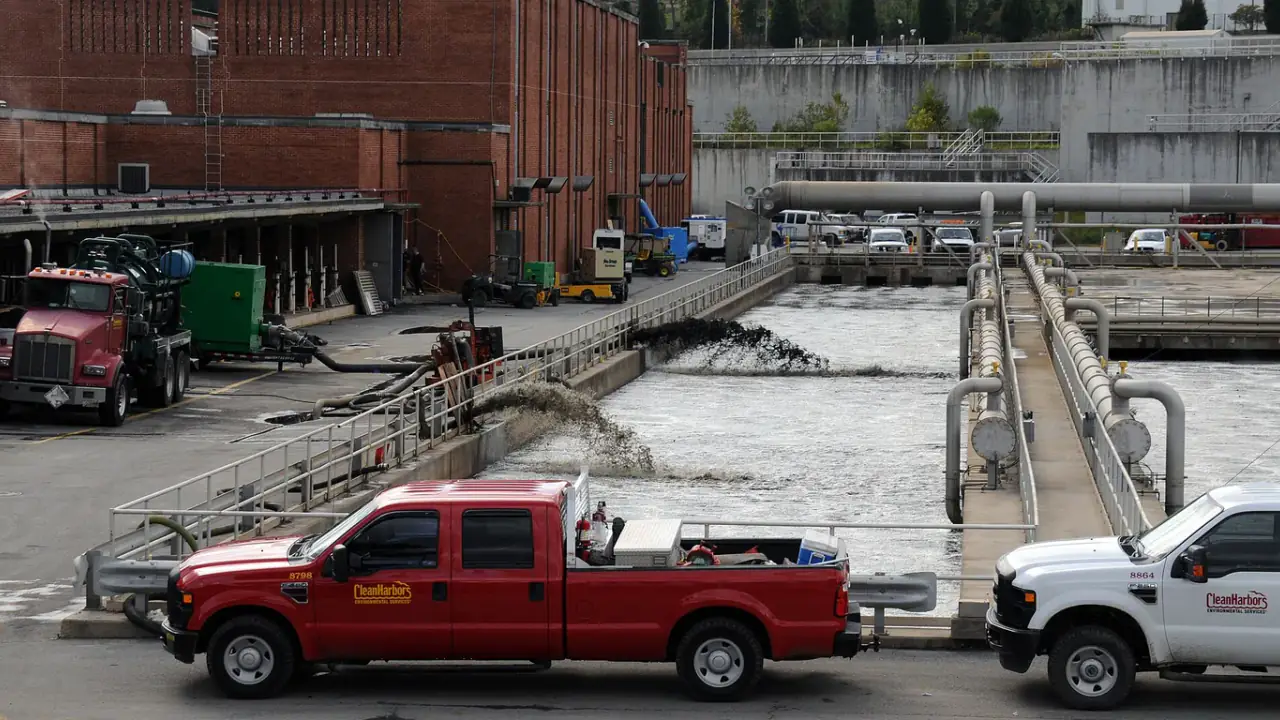
Heavy storm inundation, overflowing rivers, and overwhelmed municipal storm sewers introduce destructive Category 3 black water into finished basements, crawl spaces, and ground-floor living areas. Floodwaters carry hazardous bio-contaminants, heavy silt, and toxic runoff that compromise building framing and pose severe health risks to building occupants. Emergency extraction crews deploy heavy-duty submersible trash pumps, industrial vacuum rovers, and pressure-washing equipment to remove floodwaters rapidly. Following extraction, technicians remove contaminated porous carpeting and insulation, power-wash masonry foundations, and treat structural wood framing with hospital-grade sanitizers to prepare the property for structural drying.
Common Water Intrusion Symptoms Requiring Immediate Action
Observed Warning Sign: Muddy brown stormwater rises through basement floor drains or window wells.
Observed Warning Sign: Sump pump overflows during severe thunderstorms, flooding lower living areas.
Observed Warning Sign: Foul earthy odors and visible silt residues coat subfloors and baseboards.
Observed Warning Sign: Waterlines and silt marks stain sheetrock walls following exterior runoff intrusion.
Observed Warning Sign: Saturated carpet and floating vinyl planks buckle across subterranean rooms.
Technical Mitigation Protocols & Drying Standards
Restoration Procedure: Deployment of high-capacity submersible trash pumps capable of handling solid debris.
Restoration Procedure: Truck-mounted hydro-vacuum extraction removing thousands of gallons per hour.
Restoration Procedure: Pressure-washing and mechanical cleaning of silt and sediment from concrete slabs.
Restoration Procedure: Safe bagging and disposal of contaminated Category 3 porous building materials.
Restoration Procedure: Broad-spectrum disinfectant fogging across exposed foundation walls and sills.
Facing an Urgent Water Intrusion Emergency?
Standing water and saturated drywall compromise building integrity within hours. Restoration dispatchers are available 24/7 to coordinate immediate water extraction and psychrometric drying.
Frequently Asked Questions: Flood Clean Up & Water Extraction
Surface runoff traverses roadways, agricultural fields, and sewage systems, picking up enteric pathogens, coliform bacteria, animal feces, pesticides, and motor oils. Contact with black water carries significant disease risks, requiring technicians to wear personal protective equipment and treat all affected areas as hazardous biohazard zones.
Carpet padding must always be removed and discarded after storm flooding because porous polyurethane foam absorbs bacteria that cannot be completely sanitized. While synthetic carpeting exposed to clean water can occasionally be restored, floodwater contamination universally requires carpet removal under IICRC S500 health standards.
Crews use heavy-duty wet shovels and industrial sludge extractors to remove thick sediment deposits from foundation floors. Once bulk mud is shoveled out, technicians pressure-wash concrete slabs and foundation footings, vacuuming wash water continuously to prevent re-saturating structural framing.
Pumping out a flooded basement while surrounding exterior soil remains waterlogged creates severe unequal hydrostatic pressure against foundation walls. Water weight inside the basement helps offset exterior soil pressure; removing it too rapidly can cause concrete block walls to bow inward or crack catastrophically.
Clean plumbing leaks involve sanitary drinking water that allows many building materials to dry in place without demolition. Flood cleanup involves biological and chemical contaminants that require controlled containment, universal removal of porous drywall and insulation, specialized bio-washing, and heavy antimicrobial sanitization.
Inspectors must wear waterproof rubber boots, puncture-resistant gloves, eye protection, and N95 or half-face respirators fitted with organic vapor cartridges. Avoid direct skin contact with floodwater, and wash thoroughly immediately after exiting any flooded subterranean space.
Standard homeowner policies specifically exclude overland flooding, surface runoff, and storm surge damage, which require separate National Flood Insurance Program (NFIP) or private flood policies. However, some policies cover water damage if a sump pump failure endorsement was added prior to the loss.
Bulk water pumping and contaminated material demolition typically require one to two days, followed by three to five days of industrial drying and antimicrobial stabilization. Reconstruction should never begin until calibrated wood pin meters confirm that structural framing has reached baseline dry standards below fifteen percent.
Request Flood Clean Up & Water Extraction
Speak with our technical dispatch desk for immediate moisture evaluation and itemized restoration pricing.
Halt Structural Water Damage with Rapid Extraction
Unmitigated moisture triggers dry rot and microbial growth within 24 to 48 hours. Speak directly with our restoration dispatchers for prompt on-site containment.