Mold Remediation & Moisture Inspection | 24/7 Flood Cleanup
Comprehensive infrared moisture mapping, certified containment barriers, HEPA air filtration, and safe antimicrobial mold remediation for damp properties.
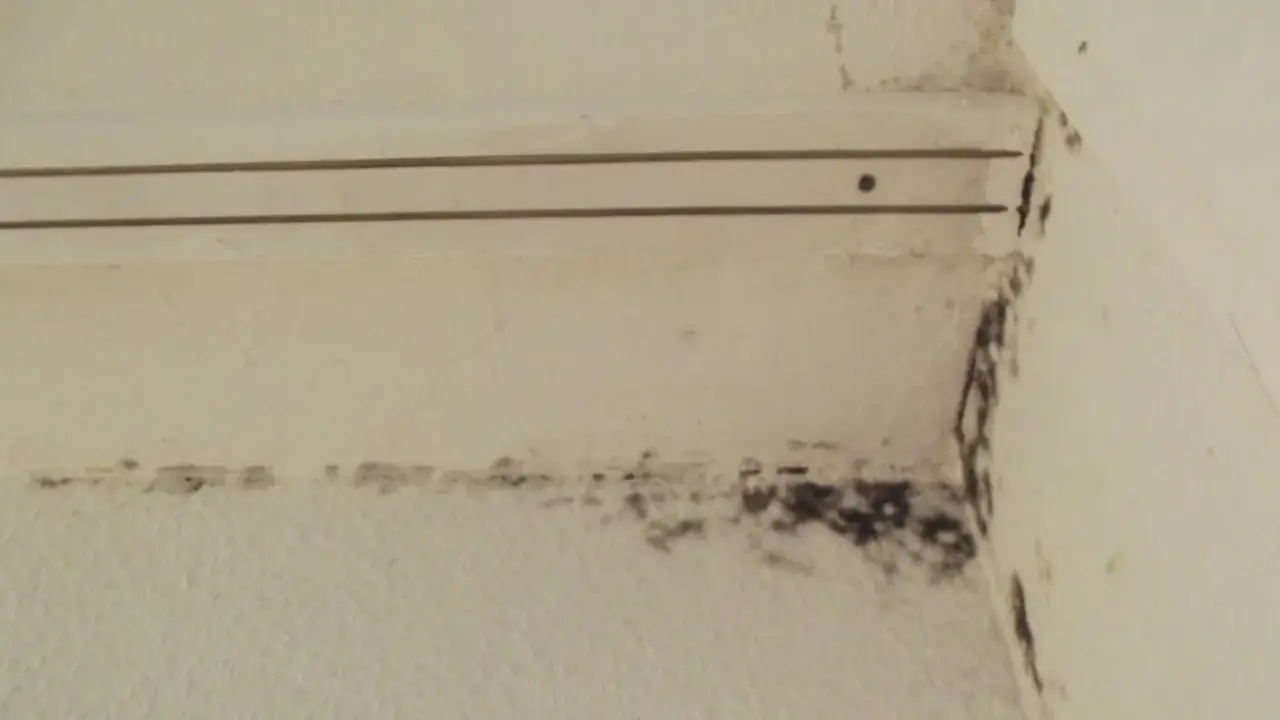
Service Overview: Mold Remediation & Moisture Inspection
Microscopic mold spores exist naturally throughout indoor and outdoor environments, remaining dormant until untreated water leaks, floodwater intrusion, or high relative humidity provide the moisture required for germination. Within twenty-four to forty-eight hours of moisture contact, fungal colonies root deeply into drywall paper, ceiling tiles, and structural wood framing, releasing airborne mycotoxins and allergens into the living environment. Professional mold remediation requires strict containment protocols to prevent cross-contaminating unaffected living areas. Certified specialists use infrared thermal imaging to uncover hidden moisture sources, erect sealed negative air containment zones, operate HEPA filtration scrubbers, physically remove contaminated materials, and treat structural surfaces with mold-inhibiting biocides.
Common Water Intrusion Symptoms Requiring Immediate Action
- Observed Warning Sign: Persistent musty, earthy odors linger inside closets, basements, or crawl spaces.
- Observed Warning Sign: Visible dark green, black, or speckled discoloration appears across drywall or baseboards.
- Observed Warning Sign: Discoloration rings and stains spread across ceiling sheetrock beneath plumbing fixtures.
- Observed Warning Sign: Allergic symptoms such as sneezing, coughing, and eye irritation flare up indoors.
- Observed Warning Sign: Crumbling sheetrock or peeling paint reveals fungal colonies growing behind walls.
Technical Mitigation Protocols & Drying Standards
- Restoration Procedure: Comprehensive thermal imaging and calibrated moisture mapping to locate moisture sources.
- Restoration Procedure: Erection of six-mil poly containment barriers equipped with self-closing zipper doors.
- Restoration Procedure: Continuous operation of certified HEPA negative air scrubbers capturing microscopic spores.
- Restoration Procedure: Controlled removal and sealed disposal of non-salvageable porous cellulose materials.
- Restoration Procedure: Detailed antimicrobial sanitization and application of mold-resistant protective sealants.
Facing an Urgent Water Intrusion Emergency?
Standing water and saturated drywall compromise building integrity within hours. Restoration dispatchers are available 24/7 to coordinate immediate water extraction and psychrometric drying.
Call 24/7 Dispatch: 877-370-0141Frequently Asked Questions: Mold Remediation & Moisture Inspection
Halt Structural Water Damage with Rapid Extraction
Unmitigated moisture triggers dry rot and microbial growth within 24 to 48 hours. Speak directly with our restoration dispatchers for prompt on-site containment.