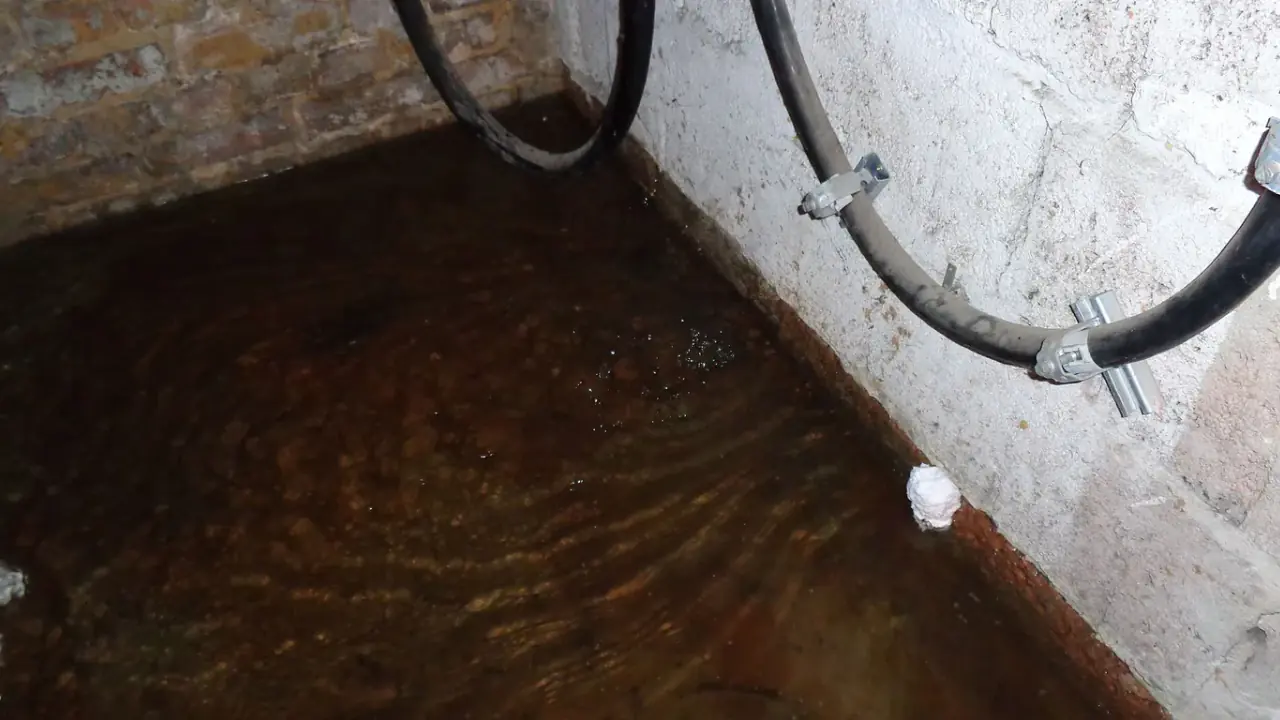
Emergency Water Damage Restoration | 24/7 Flood Cleanup
Immediate 24/7 water extraction, active plumbing leak containment, thermal moisture mapping, and structural drying stabilization for residential and commercial flooding emergencies.
Service Overview: Emergency Water Damage Restoration
Sudden water intrusion from supply line failures or severe storms threatens property framing, subflooring, and indoor air quality within hours. Uncontrolled standing water saturates porous drywall, rots bottom wood plates, and initiates delamination across finished floors. Emergency mitigation specialists arrive on site to halt incoming water, measure moisture depth with non-invasive radio-frequency meters, and extract standing water using truck-mounted vacuum extractors. Technicians establish negative air containment, apply EPA-registered antimicrobial treatments, and place commercial low-grain refrigerant dehumidifiers to stabilize ambient humidity, halting mold colonization before irreversible structural damage occurs.
Common Water Intrusion Symptoms Requiring Immediate Action
Observed Warning Sign: Standing water pools across finished flooring and seeps beneath baseboards.
Observed Warning Sign: Drywall blisters, sags, or discolors several feet above the floor.
Observed Warning Sign: Ceiling light fixtures drip water continuously onto carpets and furniture.
Observed Warning Sign: Musty, sour dampness spreads through rooms within hours of water contact.
Observed Warning Sign: Warped doorframes and swollen baseboards bind tightly against interior walls.
Technical Mitigation Protocols & Drying Standards
Restoration Procedure: Immediate deployment of heavy-duty truck-mounted and submersible extraction pumps.
Restoration Procedure: Installation of airtight six-mil polyethylene containment barriers with zipper entry.
Restoration Procedure: Application of hospital-grade botanical antimicrobials to exposed structural framing.
Restoration Procedure: Daily psychrometric moisture logging to track grains per pound toward dry standards.
Facing an Urgent Water Intrusion Emergency?
Standing water and saturated drywall compromise building integrity within hours. Restoration dispatchers are available 24/7 to coordinate immediate water extraction and psychrometric drying.
Frequently Asked Questions: Emergency Water Damage Restoration
Mitigation must start within twenty-four hours to prevent secondary structural damage and widespread mold germination. Porous cellulose materials like drywall paper and wood framing absorb water rapidly, beginning microbial colonization within forty-eight hours. Immediate extraction reduces overall structural demolition and restoration expenses.
Shut off the primary water supply valve to stop active water flow, and turn off electrical breakers to flooded areas if the breaker panel is located in a dry room. Never enter rooms with standing water if power remains on. Elevate valuable furniture onto foil blocks or wood shims to prevent stain bleeding.
Restoration standards define Category 1 as sanitary clean water from supply pipes, Category 2 as gray water containing detergents or contaminants, and Category 3 as hazardous black water carrying pathogens. Each category dictates whether materials can be dried in place or must be removed under biohazard containment.
Drywall can occasionally be salvaged if water exposure was brief, classified as Category 1 clean water, and moisture has not compromised gypsum core integrity. However, if insulation inside the wall cavity remains wet or if water reached Category 2 or 3, cutting flood lines two feet above the waterline is mandatory.
Specialists use calibrated moisture meters equipped with insulated deep-wall pin probes to measure internal framing moisture content. Technicians compare these readings against unaffected dry standard materials in the home, ensuring studs and sill plates reach equilibrium moisture content before signing off.
Most standard homeowner insurance policies cover sudden and accidental plumbing discharges, such as split supply lines or frozen pipe bursts, while excluding gradual neglected leaks. Technicians compile date-stamped thermal imaging, moisture logs, and itemized Xactimate estimates to assist insurance claim adjusters.
Opening windows is only helpful if outside relative humidity is significantly lower than indoor humidity, but during humid or rainy weather, outdoor air introduces additional moisture vapor into the home. Commercial drying relies on closed-structure drying where industrial LGR dehumidifiers control vapor pressure mechanically.
Standard structural drying cycles require three to five days under continuous operation of commercial air movers and dehumidifiers. Dense materials like poured concrete subfloors, multi-layered hardwood, and saturated wall studs may require extended drying cycles under targeted thermal drying systems.
Request Emergency Water Damage Restoration
Speak with our technical dispatch desk for immediate moisture evaluation and itemized restoration pricing.
Halt Structural Water Damage with Rapid Extraction
Unmitigated moisture triggers dry rot and microbial growth within 24 to 48 hours. Speak directly with our restoration dispatchers for prompt on-site containment.