Water Damage Restoration in Maine | 24/7 Flood Cleanup
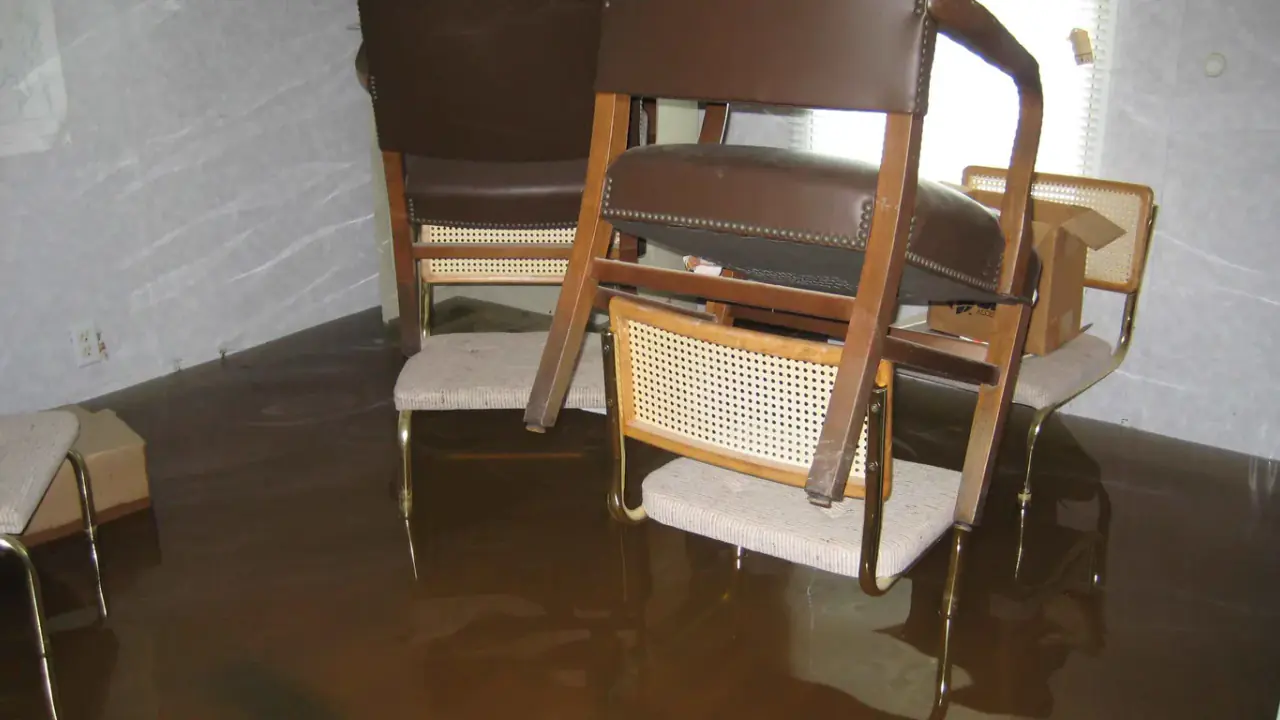
Sudden pipe bursts, river flooding, and sewer backflows threaten building framing across Maine. Emergency water restoration specialists deploy submersible pumps, LGR dehumidifiers, and thermal imaging cameras statewide to extract standing water and dry structural assemblies.
Submerged hardwood flooring and buckled laminate planks after an appliance supply line blowout in Maine demand specialized vacuum drying rather than premature, destructive floor demolition. Pressurized water rapidly seeps through plank joints into plywood subflooring, causing board undersides to swell faster than finished top surfaces and producing severe cupping along every board seam throughout the room.
Leaving cupped hardwood to dry with conventional household fans locks in permanent warping and splintering as wood cell structures collapse under uneven thermal stress. Commercial floor drying systems must create airtight vacuum seals across the flooring surface, pulling warm dry air down through board crevices and extracting deep subfloor moisture without pulling up original flooring nails or subfloor adhesives. Constant pressure monitoring prevents wood fiber splitting.
Technical intake coordinators dispatch drying specialists operating high-pressure Injectidry mat panels, centrifugal air movers, and LGR dehumidifiers across Maine. Restoring wood floor equilibrium moisture content preserves valuable oak and maple installations, saving property owners thousands of dollars in hardwood replacement and extensive subfloor reconstruction costs.
Statewide Water Damage Restoration & Flood Cleanup Services in Maine
Emergency Water Damage Restoration: Immediate 24/7 water extraction, active plumbing leak containment, thermal moisture mapping, and structural drying stabilization for residential and commercial flooding emergencies.
Flood Clean Up & Water Extraction: Submersible flood water pumping, heavy-duty truck-mount extraction, mud and silt removal, and sanitary structural disinfection for flooded properties.
Structural Drying & Dehumidification: Controlled psychrometric drying, commercial LGR dehumidification, high-velocity air movement, and cavity moisture extraction to protect structural integrity.
Burst & Frozen Pipe Water Damage Repair: Immediate plumbing line isolation, structural water extraction, ceiling collapse prevention, and cavity dehumidification following burst or frozen pipe ruptures.
Sewage Backup Cleanup & Decontamination: Hazardous Category 3 black water extraction, biological containment, hospital-grade sanitization, and structural deodorization following sewage backups.
Mold Remediation & Moisture Inspection: Comprehensive infrared moisture mapping, certified containment barriers, HEPA air filtration, and safe antimicrobial mold remediation for damp properties.
Commercial water damage & structural drying equipment manufacturers deployed across Maine:
Interlocking floating laminate and engineered planks incorporate compressed high-density fiberboard cores that absorb standing moisture through bevel seams, causing permanent edge swelling and fiber delamination within hours. The moisture barrier underlayment beneath floating floors traps water against subflooring, cutting off top-down evaporation. In almost all flood events, buckled laminate cannot return to its original flat dimensions and must be disassembled. Removing damaged planks exposes the saturated concrete slab or subfloor to direct air movement, preventing joist decay.
Water pooling on kitchen floors flows beneath base cabinets through bottom gaps, settling in dark, unventilated cavities behind toe-kicks where particleboard cabinet bases swell and rot. Technicians remove decorative toe-kick fascia boards and drill small one-inch holes into hidden cabinet risers. Attaching specialized multi-port hose manifolds directly over these holes injects warm, dry, high-velocity air into the dead air space beneath cabinets, drying the subfloor and cabinet framing without tearing out stone countertops.
Water evaporating from flooded rooms creates high vapor pressure that forces humid moisture molecules through interior door openings, electrical conduit chases, and porous drywall into dry adjacent rooms. When this humid air encounters cooler surfaces like exterior wall sheetrock or air-conditioned trim, moisture condenses out of the air, rotting trim, swelling interior doors, and lifting wallpaper adhesives. Sealing containment zones with heavy polyethylene zipper doors and maintaining continuous negative air pressure stops vapor migration across living spaces.
High-frequency non-destructive moisture meters send dielectric signals through ceramic, porcelain, or natural stone tiles to measure subterranean water pockets resting inside cement backer boards and framing. Technicians correlate these dielectric readings with infrared thermal cameras, which detect cool evaporation signatures outlining water migration behind the shower pan. When trapped moisture is confirmed, technicians access the wall cavity from an adjacent bedroom or hallway closet wall, preserving expensive bathroom tile while allowing cavity drying equipment to dry the framing.
Standing water conducts electrical current instantly from submerged wall outlets, furnace wiring harnesses, washing machine plugs, or sump pump extension cords throughout the entire flooded zone. Stepping into energized water causes neuromuscular paralysis and fatal electrical shocks before an individual can retreat. If the electrical service panel is located inside the flooded area, call your local utility company to disconnect electrical service from the exterior meter before any restoration inspection or water pumping begins.
Request Water Damage Service in ME
Contact our emergency dispatch center to schedule immediate extraction or request structural drying estimates.
Standing water and saturated subflooring escalate into structural wood rot and microbial growth within hours. Contact our emergency dispatch line for immediate water extraction and structural drying.